
The registry
Real graded Pokémon cards, brought onchain.
Create a liquid onchain asset backed by a real PSA, CGC, BGS or SGC graded Pokémon card. Each asset is permanently linked to its grading certificate and verifiable onchain.

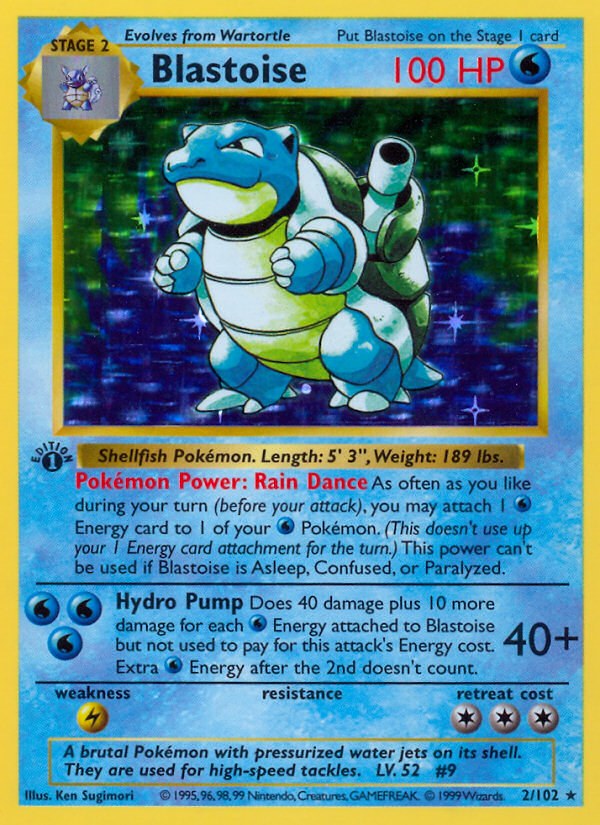
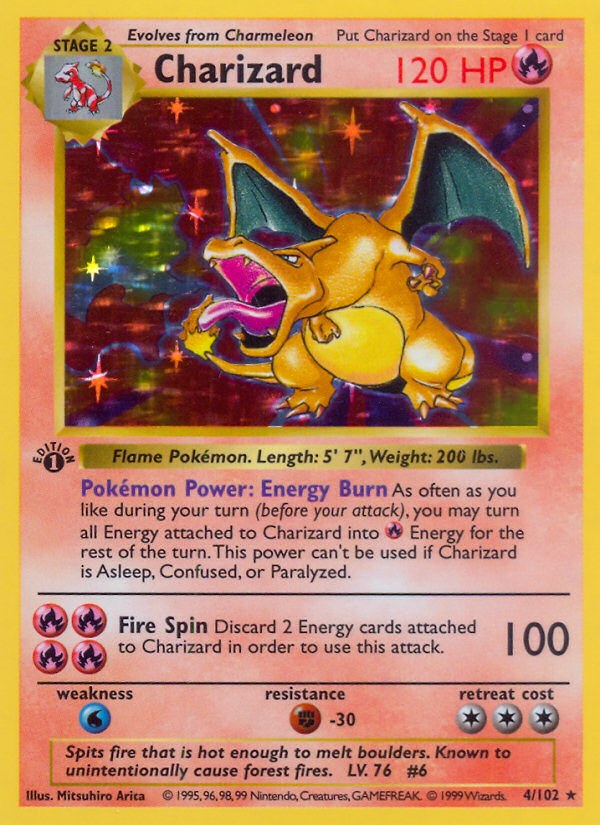
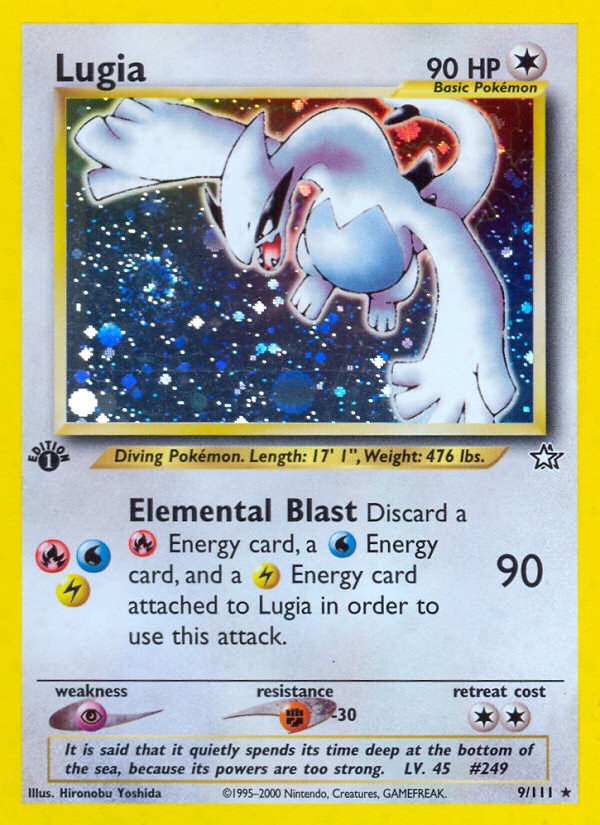
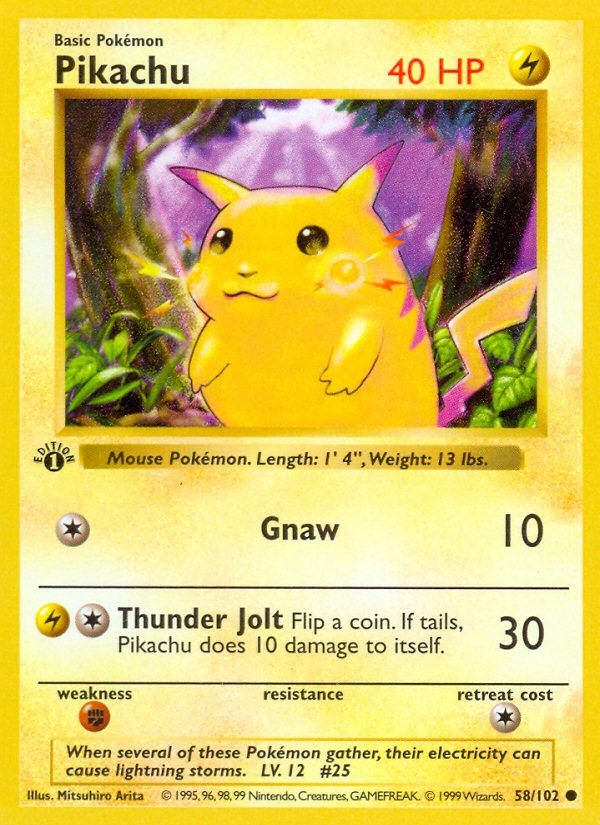
Physical to onchain
The certificate is the asset's identity, not its description.
A graded slab already carries a permanent identifier: the certificate number on its label. GrailX writes that number into a contract with the grader, the card as it reads on the label, and the grade. The write happens once. There is no admin who can swap the slab behind an asset after people have bought it.
Liquidity
A collectible that can move without leaving the vault.
Grading turns a card into a comparable object. Binding turns it into a tradeable one. The asset trades on open markets around the clock while the physical slab stays exactly where it is, still readable against the grader's own lookup.
- Registry fee
- None. Gas only.
- Allocation
- Creator-controlled at launch
- Rewrites
- Impossible once bound
- Reads
- Public, permissionless
Lifecycle
Four steps, one direction
Verify
Check the certificate against the grading company and confirm nobody has bound it before.
Bind
Grader, certificate number, card identity and grade are written to the registry once, by your wallet.
Launch
Deploy or link the asset. The registry keys the token address to the certificate permanently.
Trade
The asset trades freely while the binding stays readable by anyone, forever.
The difference
More than metadata.
Typical tokenized collectible
A card in the metadata
- An image and a name typed into a launch form
- Nothing stops two assets claiming the same slab
- Metadata can be replaced after buyers arrive
- Delete the listing and the link disappears
GrailX
A certificate in a contract
- Grading company, certificate number, card identity and grade written onchain
- One certificate, one asset — a second attempt reverts
- Creator wallet and token address stored in the same record
- Verification status derived from the record, readable by anyone
The record
What gets written down
Binding a collectible writes a single row anyone can read back from the registry contract. This is the shape of that row.
Questions
Short answers
No. The asset is bound to a grading certificate, not backed by legal title to the slab. The record proves which certificate an asset claims and who bound it — it is not custody and the card is not collateral.